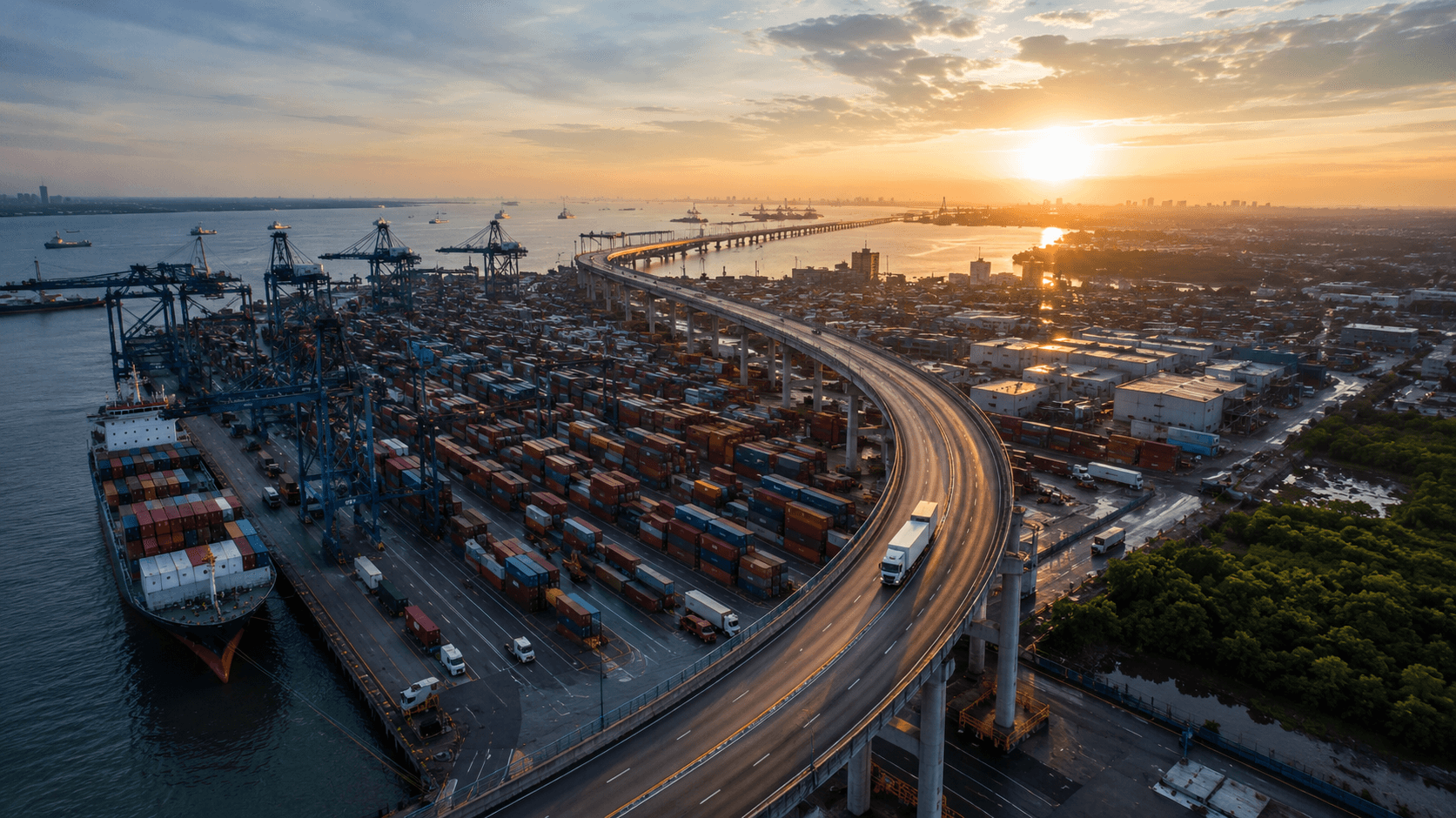


The New Era of Logistics
India's logistics and supply chain industry is experiencing a digital renaissance. Driven by rising customer expectations, global competition, and the need for operational resilience, businesses are embracing technology to do more with less. From real-time tracking to AI-driven forecasting, technology is no longer a differentiator—it's the foundation of modern logistics.
The Power of Real-Time Visibility
Real-time visibility analytics and end-to-end tracking of assets, routes, and processes across the supply chain empower businesses with the ability to track shipments in real time, anticipate delays, and make data-driven decisions faster.
Visibility is not just about tracking—it's about understanding and acting in real time.
Technologies Driving Change
Here are the top technologies revolutionizing logistics in India:
IoT
Enables real-time asset tracking and condition monitoring.
AI & ML
Improves demand forecasting, route optimization, and anomaly detection.
Big Data Analytics
Turns massive data into actionable insights for smarter planning.
Cloud Computing
Provides the scalability and flexibility modern supply chains need.
Blockchain
Enhances transparency, traceability, and trust across the ecosystem.
Automation
Streamlines warehousing, sorting, and last-mile delivery operations.
Key Benefits for Businesses
Use Cases in Action
| Use Case | Impact |
|---|---|
| Real-Time Fleet Tracking | Reduced transit time by 20% |
| AI-Powered Demand Forecasting | Improved forecast accuracy by 35% |
| Automated Warehouse Operations | Increased warehouse productivity by 40% |
Overcoming Challenges
While the potential is immense, logistics transformation comes with challenges:
• Legacy system integration: Migrating older ERP databases to cloud routing models.
• High initial investment: Setup costs for IoT sensor nodes and tracking modules.
• Data security & privacy: Ensuring secure encryption protocols for route telemetry.
• Change management: Upskilling terminal operators and fleet drivers.
A strategic roadmap, the right technology partner, and a people-first approach can help overcome these challenges.
What's Next?
The future of logistics is autonomous, intelligent, and sustainable. As technologies evolve, we will see opportunities to create connected, agile, and greener supply chains.
Conclusion
Technology is not just shaping logistics—it's redefining it. Businesses that embrace digital transformation today will lead the supply chains of tomorrow.