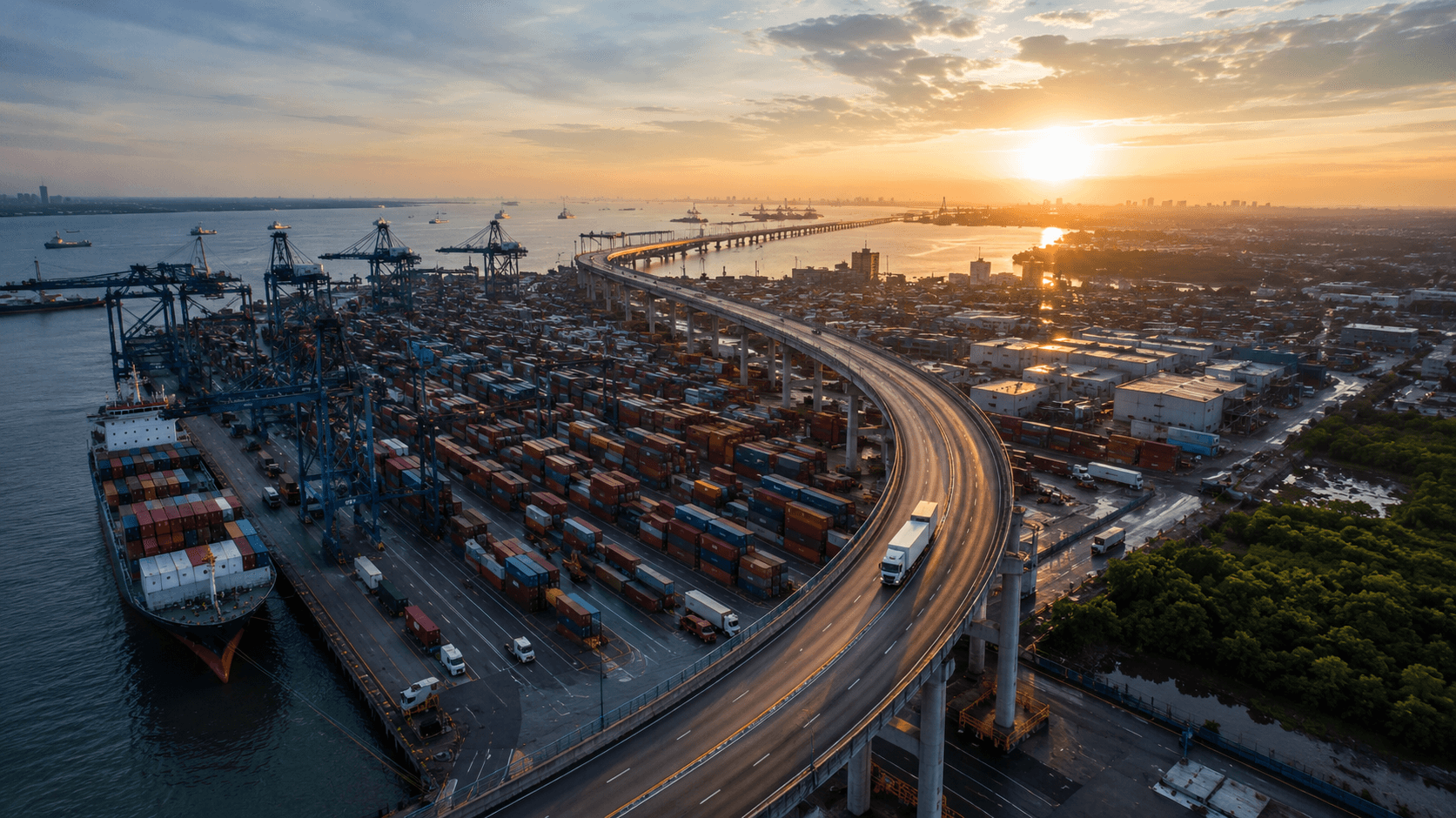


AI in the Modern Supply Chain
Artificial Intelligence (AI) is no longer a buzzword; it has become a fundamental pillar of modern supply chain infrastructure. By analyzing vast databases of historic shipping schedules, traffic flows, port delays, and weather patterns, AI systems can forecast shipping delays and recommend corrective strategies before issues manifest.
Predictive Demand Modeling
One of AI's greatest strengths in logistics is demand forecasting. By evaluating seasonal patterns, economic indices, and historical merchant inventories, AI tools predict volume surges on specific corridors weeks in advance. This allows fleet operators to position container units and trailers at key hubs before the rush, preventing equipment shortages and securing cargo capacities.
AI predictive algorithms allow logistics managers to anticipate cargo surges with over 90% accuracy, shifting the operational focus from reactive problem-solving to proactive supply chain design.
Key Operational Benefits
Preventive Fleet Maintenance Scheduling
Vehicle breakdowns are costly, resulting in delayed cargo and emergency repair expenses. AI-driven predictive systems monitor real-time data from vehicle engines and tracking sensors. By checking parameters like engine temperature fluctuations, vibration patterns, and fuel pressure, the system flags components showing signs of wear and schedules maintenance before an on-highway breakdown occurs.
Conclusion
By transitioning from reactive repairs to predictive dispatching schedules, fleet operators ensure maximum cargo uptime, building a highly reliable, tech-first supply chain network.